
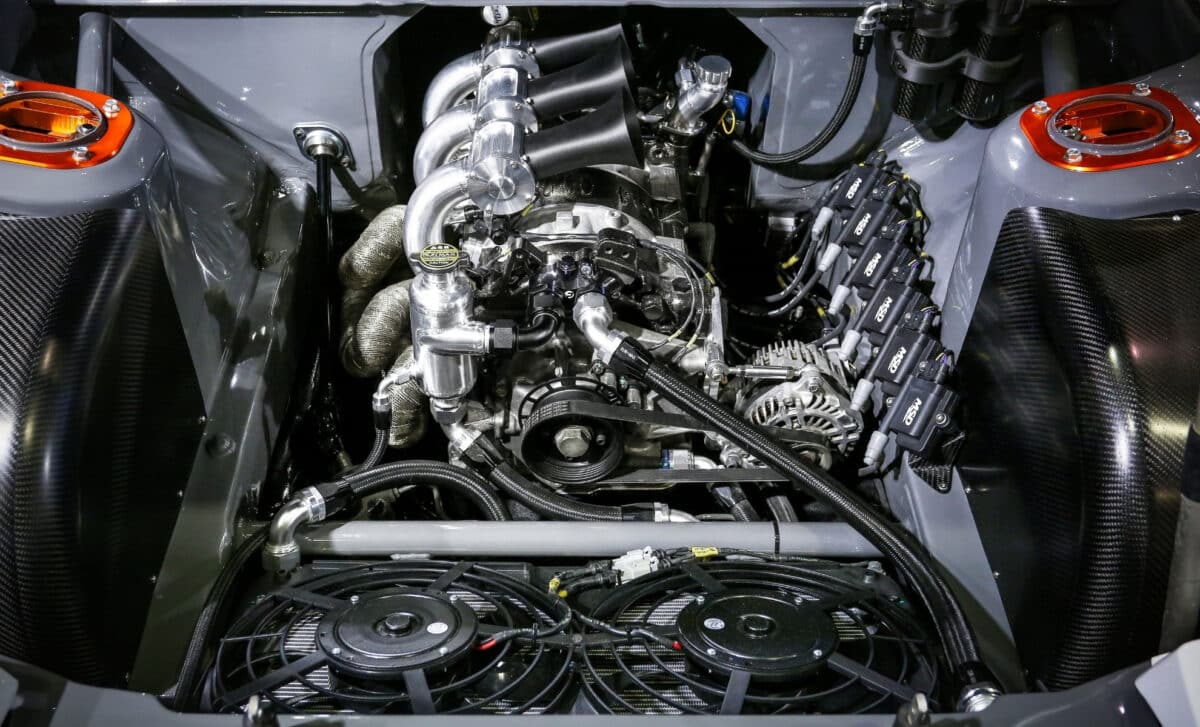
The revival, however, isn’t coming from Japan’s automotive veteran alone. In a move few anticipated, China’s Changan Group has developed its own rotary engine, signaling a potential shift in how the technology could be applied beyond traditional cars.
The engine, developed by Harbin Dongan Auto Engine, a subsidiary of Changan, has already achieved its first successful ignition. Unlike Mazda’s current efforts, where the rotary engine is used merely as a range extender in its MX-30 SUV, Changan’s rotary project is intended for aerial vehicles operating at low altitude, a sector China aims to advance in coming years. This pivot in application reflects a broader trend: revisiting abandoned technologies with new goals in mind.
The rotary engine, also called “Wankel” after its German inventor Felix Wankel, has long promised technical advantages, compact size and fewer moving parts among them, but fell out of favor due to persistent flaws. Changan’s new R05E may mark the beginning of a different chapter for this misunderstood powertrain.
Mazda’s Decades-long Battle To Keep The Wankel Alive
Over the decades, Mazda has remained the last major defender of the rotary engine. While other automakers like Mercedes and Citroën explored the technology in the past, they abandoned it due to recurring reliability issues and high consumption of fuel and oil. The rotary engine’s short service life, sometimes requiring a rebuild before hitting 100,000 km, also made it a tough sell for mainstream buyers.
Mazda never fully solved these challenges. Even its latest application of the Wankel as a range extender in the MX-30 SUV failed to deliver convincing results. The car remains marginal in sales and performance, serving more as a symbolic continuation of Mazda’s commitment than a technological breakthrough.
As emissions standards tightened globally, the engine’s poor efficiency and environmental performance became harder to justify. And while the mechanical simplicity of the design, based on a rotor instead of pistons, remains attractive, it has not been enough to overcome the weight of its flaws.

Changan Unveils The R05E: A Chinese-built Rotary Engine For Aviation
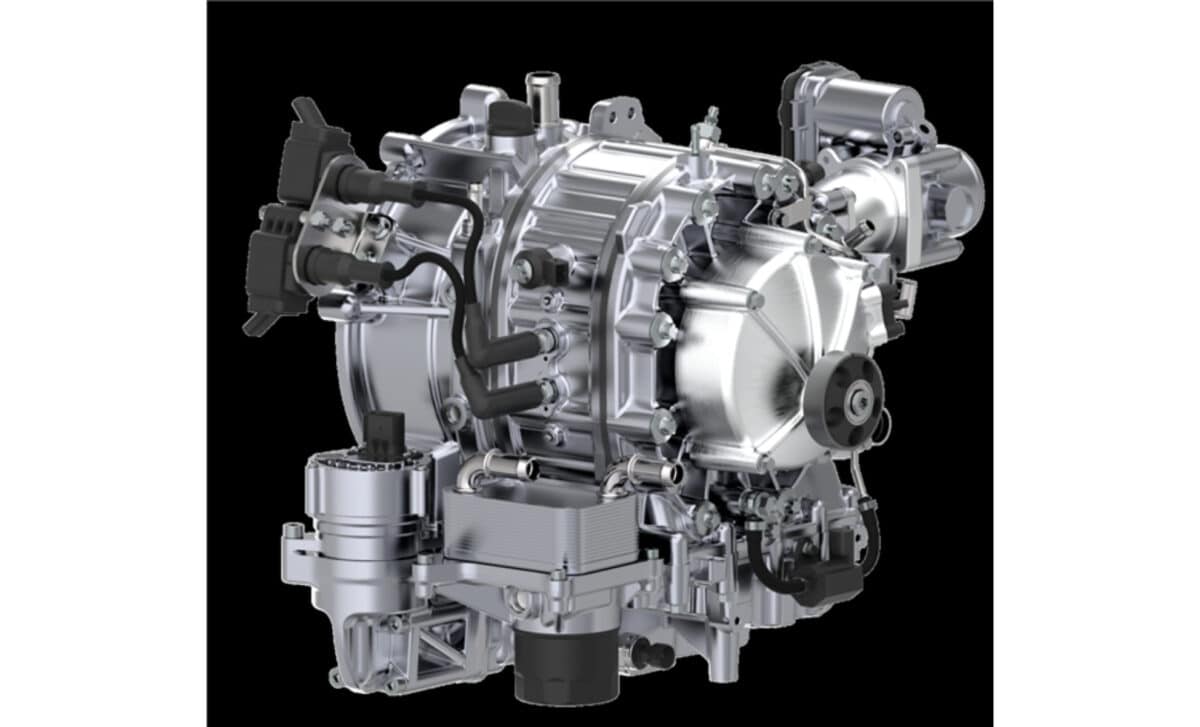
The new R05E engine, revealed by Harbin Dongan Auto Engine, stays true to the basic rotary design with a single triangular rotor and curved edges, delivering 57 kW (about 72 hp) and operating at up to 6,500 rpm. But unlike Mazda’s automotive focus, Changan is targeting low-altitude flight applications, vehicles that straddle the line between drone, aircraft, and car.
These aircraft-like vehicles are part of a wider vision for next-generation mobility in China. In this context, the Wankel engine offers clear benefits: compact size, strong power-to-weight ratio, and reduced noise, vibration, and harshness (NVH), all crucial for small, airborne craft.
While not intended for sports cars like the discontinued Mazda RX-8 or the earlier RX-7, the R05E represents a serious attempt to reposition the rotary engine for a niche that sidesteps the challenges of conventional road use. The engine is not aimed at mass-market automotive deployment, and Changan has made no promises regarding passenger car integration.
Engineering Upgrades Aim To Fix Past Shortcomings
To address the rotary engine’s historical weaknesses, Changan has reworked several core elements of the R05E. The block is made of aluminum and coated with a nano-diamond composite (NDC) material designed to reduce internal friction. In addition, the engine includes a dual independent ignition system, among other undisclosed updates.
These adjustments are meant to counter the design’s notorious oil and fuel consumption, though the article points out that no specific figures or lifespan estimates have been shared yet. For now, it remains unclear whether this version will last longer than past models or finally pass the 100,000 km threshold without costly maintenance.
The Wankel’s maintenance needs have long been a deterrent. Even though rotary rebuilds can cost less than overhauling conventional engines, the frequency of such interventions has scared off many consumers.
A Broader Chinese Strategy: Innovating Through Forgotten Concepts
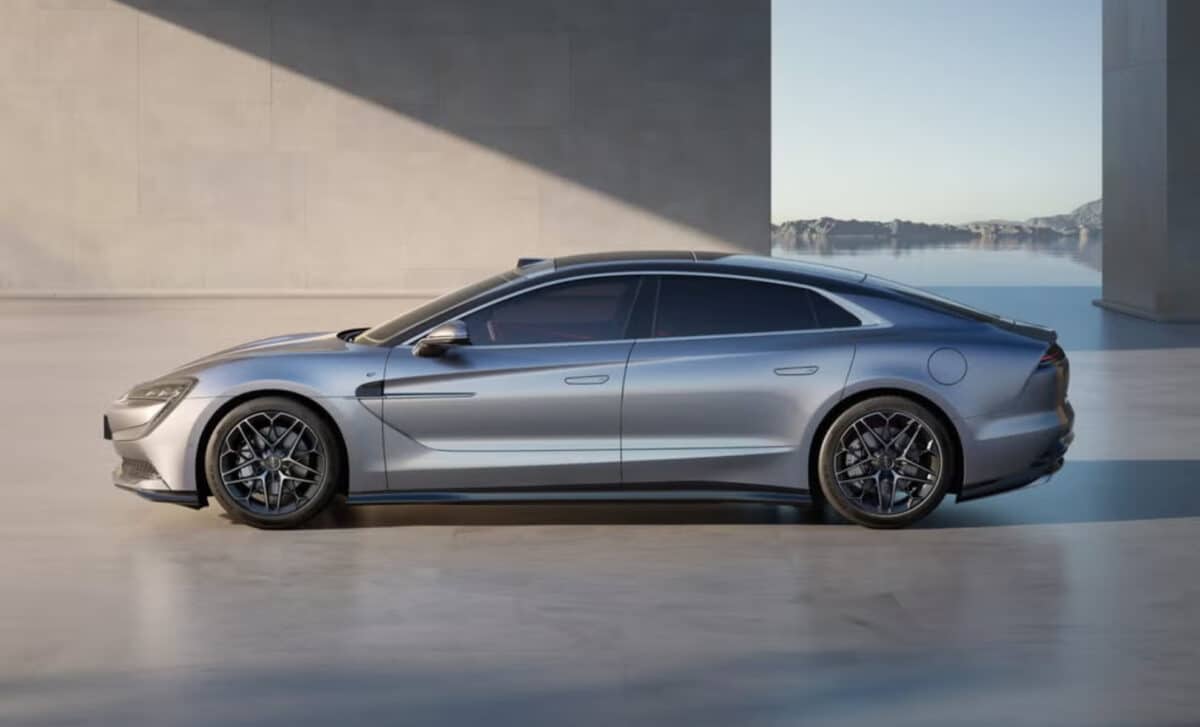
Changan’s R05E isn’t a standalone case. It fits into a larger trend in China’s automotive innovation, where manufacturers are turning toward unconventional solutions, sometimes resurrecting ideas the rest of the world has abandoned. One recent example is the Yangwang U7, a premium sedan from BYD’s high-end brand, which uses a flat engine as a range extender.
This movement signals a departure from imitation-based strategies. Chinese firms are now proactively experimenting with technologies discarded by others, applying them in non-traditional ways and adapting them with modern materials and engineering standards.
Whether these bold moves will succeed remains an open question. But what’s clear is that China is no longer content to follow. With projects like the R05E, it is beginning to lead, even if the path runs through forgotten engines once left behind on the factory floor.