Gernot Döllner, Audi’s CEO, reassured the public that despite earlier reports suggesting the car’s cancellation, the performance EV is very much on track. This announcement signals a significant commitment from Audi to revive its sports car segment with an all-electric vehicle.
In an exclusive interview with Australian magazine GoAuto, Döllner emphatically refuted speculation about the demise of the Concept C. This comes at a time when industry observers were questioning whether Porsche’s plans to discontinue the electric 718 could have similar consequences for Audi’s targa EV. With the car still in development, Döllner reaffirmed that Audi’s collaboration with Porsche on the platform remains strong, adding that the delivery of the necessary platform for the electric sports car was never in doubt.
Audi’s Vision for the Future of Sports Cars
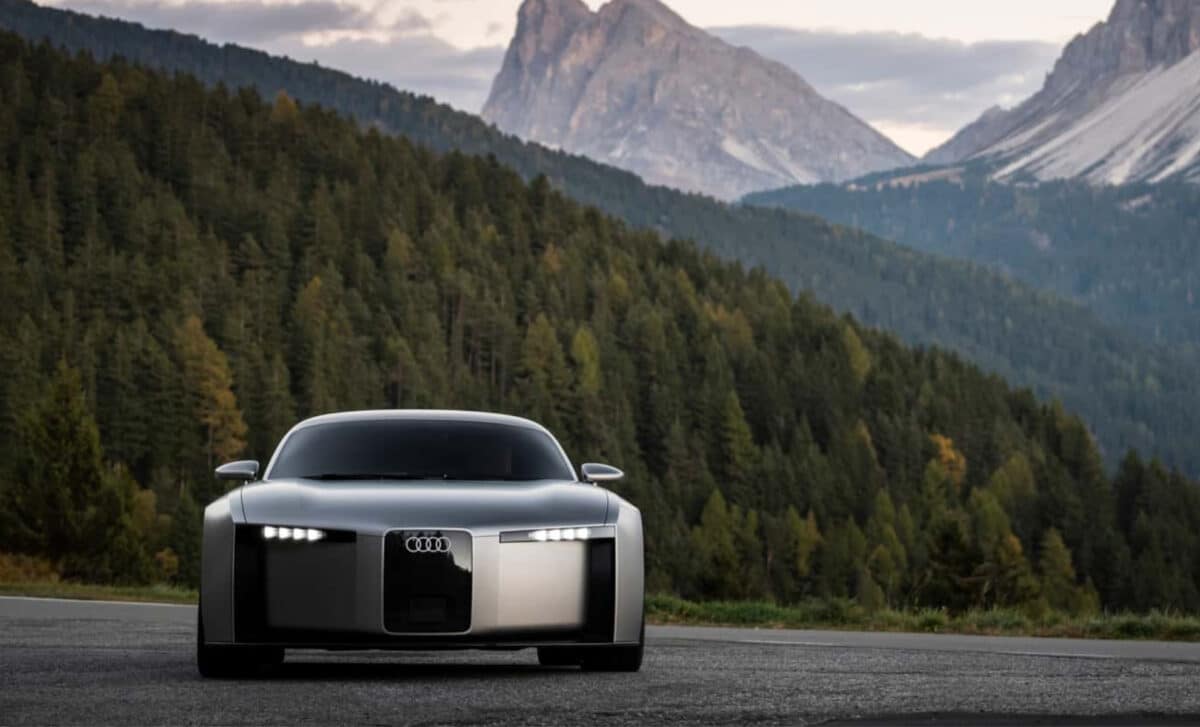
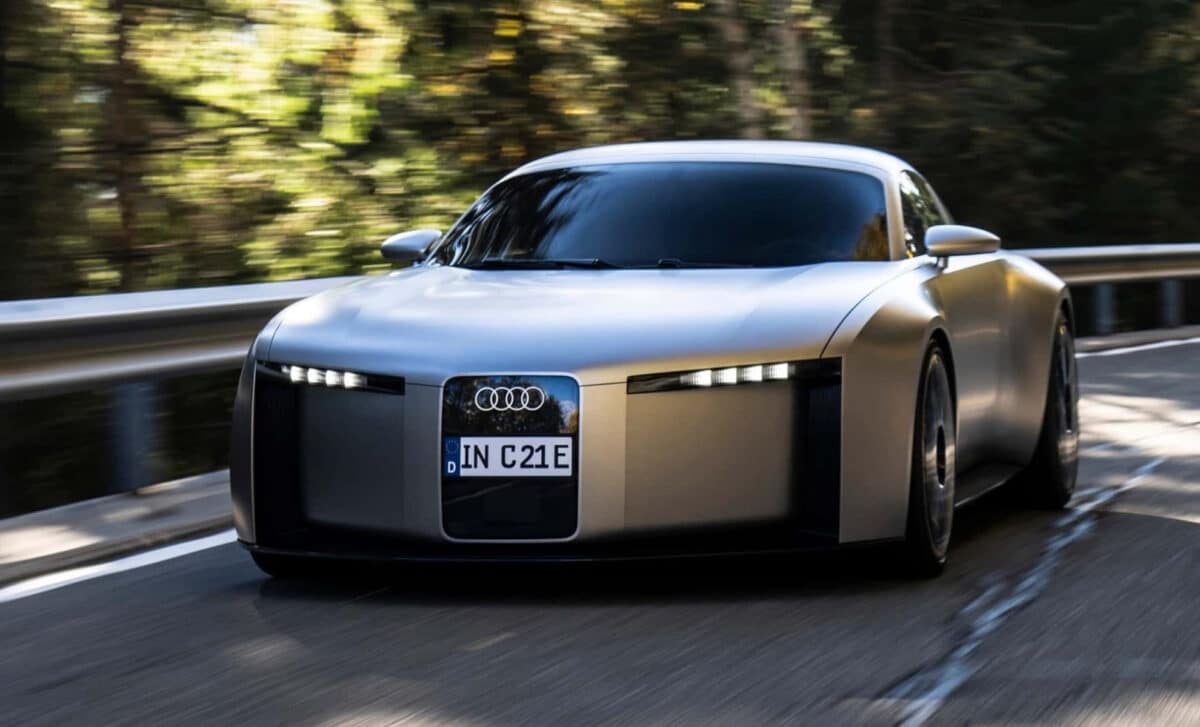
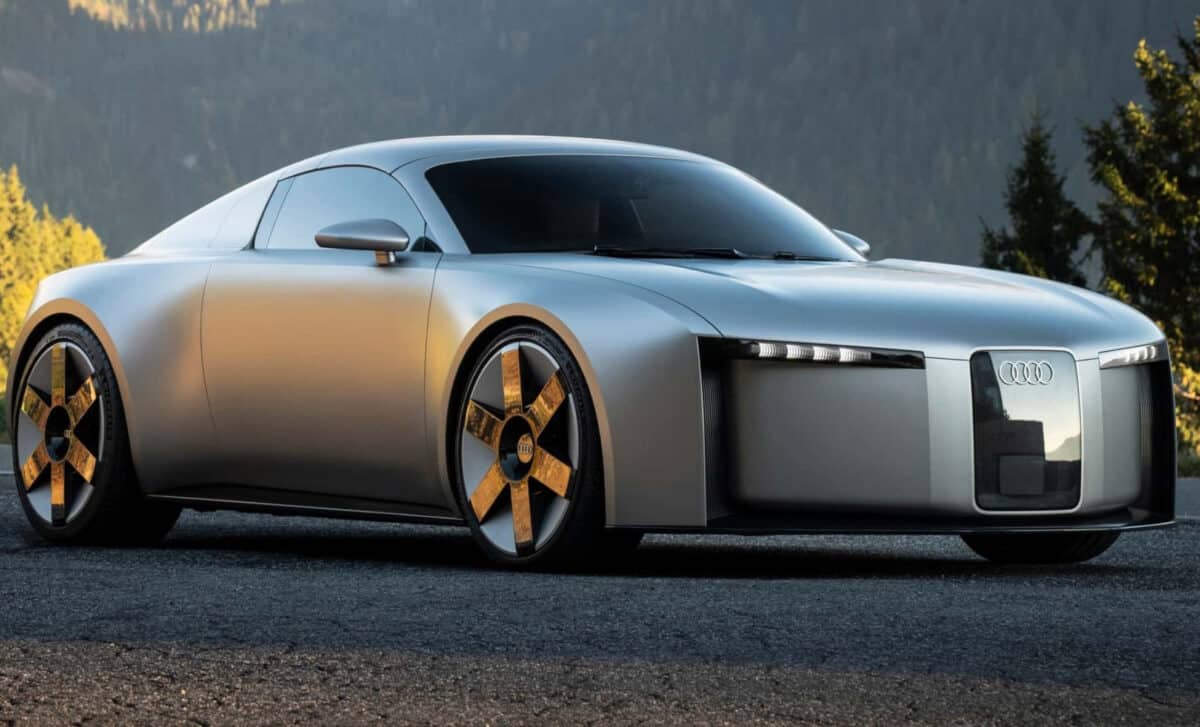
The Concept C represents a fresh vision for Audi, marking the brand’s foray into the electric sports car market. Unlike the original Audi TT, the Concept C will not feature a fixed roof option, with Audi committing to a single body style, a coupe with an electrically folding targa roof. The new design represents a shift in Audi’s aesthetic approach, with about 87% of the Concept C’s final design already in place. According to Chief Creative Officer Massimo Frascella, the Concept C sets the stage for future Audi models, with its styling influencing the brand’s next-generation vehicles.
This new direction also speaks to the broader evolution of Audi’s interior design. While modern Audi vehicles are heavily reliant on digital screens, the Concept C will incorporate more physical controls and a discreet infotainment system that folds into the dashboard, harkening back to designs from a decade ago. The car’s interior will also feature improved materials, a necessary response to past criticisms that Audi’s recent models have seen a decline in cabin quality. As Oscar da Silva Martins, Head of Product and Technology Communications, noted in an interview with Motor1, Audi is aiming to return to its former standards of quality.
The Role of Porsche in the Project
Audi’s sports car will ride on the Volkswagen Group’s PPE Sport platform, which is expected to feature a battery pack positioned ahead of the rear wheels, an integral part of the car’s performance capabilities. The initial concept car weighed 3,725 pounds (1,690 kilograms) and featured a rear-mounted electric motor.
However, the final production version will include a dual-motor, all-wheel-drive setup, providing even more performance capabilities. This collaboration between Audi and Porsche underscores the continued importance of the two companies working together to bring the Concept C to market, despite earlier doubts about the project’s viability.
Döllner’s recent internal memo to Audi employees further emphasized that the collaboration with Porsche remains intact, ensuring that the necessary components, such as the platform, are on track for production. Despite some challenges, Audi’s commitment to delivering a performance EV that pushes the boundaries of what an electric sports car can offer is clear.
A Message to the Market
The production of the Concept C is not just about filling a niche in the automotive market; it is also about sending a powerful message to Audi’s customers and the wider industry. After facing criticism for its direction in recent years, Audi’s commitment to the Concept C is a statement of intent, signaling the brand’s return to its roots in the sports car world.
However, the new car, as Döllner acknowledged, is expected to have modest sales, with projections for the vehicle’s annual numbers in the “very low five digits.” This shows that Audi is not necessarily banking on the car’s commercial success but instead positioning it as a symbolic vehicle that represents the brand’s renewed focus on performance and innovation.