
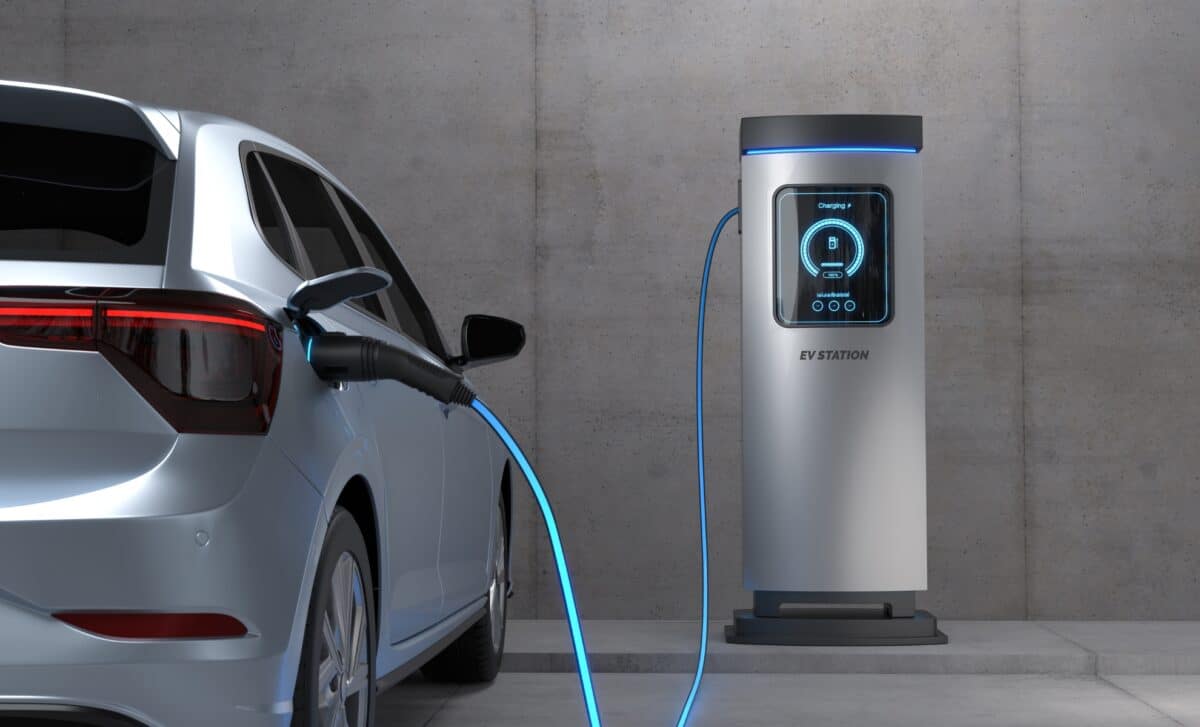
This technology, which has long been sidelined due to concerns over performance, is now gaining traction among car manufacturers as a cheaper, more practical alternative to lithium-ion batteries.
Sodium-ion batteries are now being seen as a credible option for electric vehicles, with major automakers like Mercedes, Renault, and Volvo expressing interest in the technology. While sodium-ion batteries are still heavier and have lower energy density than lithium-ion batteries, their cost and environmental advantages make them a potential game changer.
Manufacturers are hopeful that sodium-ion technology could bring electric vehicle prices down to around $21,500, making them more affordable for a wider range of consumers.
A Shift in Battery Technology
Historically, sodium-ion technology has struggled to gain favor among automakers. Initially, its weight and limited driving range were considered significant drawbacks compared to the more established lithium-ion batteries. However, as the demand for electric vehicles continues to rise, manufacturers are more open to exploring alternatives.
According to Auto Journal, the potential cost savings and the ability to source sodium locally, rather than relying on lithium, are key factors driving this renewed interest. Sodium is also abundant and cheaper to produce, which could lead to significant savings in battery production costs.
Winter Performance Advantage
One of the key selling points of sodium-ion batteries is their improved performance in extreme temperatures. As many electric vehicle owners know, traditional lithium-ion batteries can suffer from reduced range in cold weather, with the capacity of the battery significantly decreasing in sub-zero temperatures.
Sodium-ion batteries, however, are reportedly more tolerant to both cold and hot conditions, a trait that could make them particularly attractive in regions with harsh winters or intense summers. Sodium-ion technology could allow car manufacturers to simplify thermal management systems, potentially lowering costs even further.
Safety and Environmental Benefits
Beyond performance and cost, sodium-ion batteries also have certain safety and environmental advantages. Sodium-ion technology is less prone to fire hazards compared to lithium-ion batteries, which can catch fire under certain conditions. This could make sodium-ion-powered vehicles safer for consumers and easier to manage from a manufacturing perspective.
Additionally, since sodium is more abundant and easier to source than lithium, it could reduce the industry’s dependence on materials that are subject to supply chain disruptions and price volatility, particularly given China’s dominance in the lithium market.
While sodium-ion batteries are not yet ready to replace lithium-ion in all types of vehicles, the technology is rapidly advancing. Manufacturers are currently focused on using sodium-ion batteries in smaller, everyday electric cars, where their heavier weight and reduced range can be offset by lower costs. However, larger vehicles, such as SUVs and luxury sedans, may not benefit from sodium-ion batteries due to their lower energy density and the significant impact on driving range.