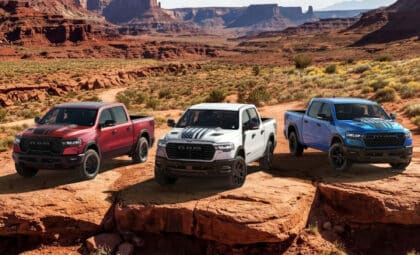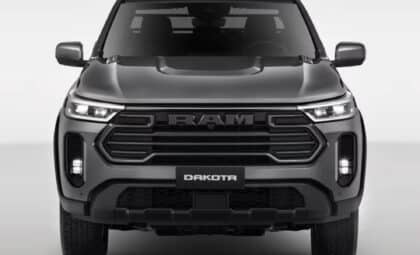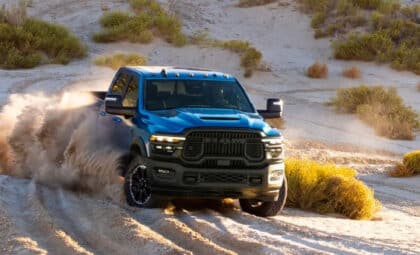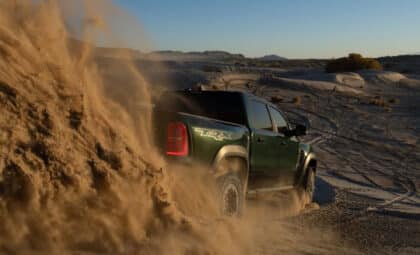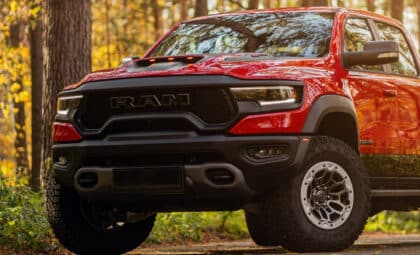
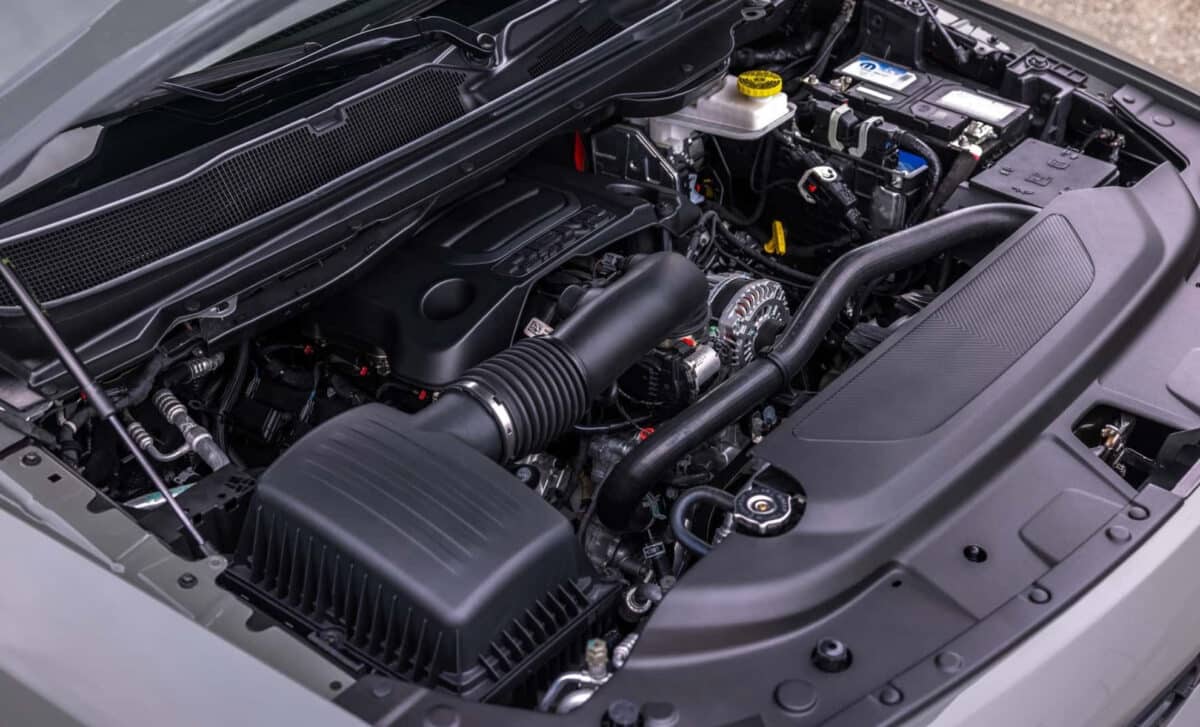
The role of the V8 engine remains a major factor in the American pickup market in 2026. For decades, V8-powered trucks have been a staple of the segment, and that legacy continues to influence purchasing decisions despite the growing presence of turbocharged six-cylinder alternatives.
The issue has become particularly relevant as manufacturers adjust their powertrain strategies in response to changing emissions policies and customer preferences. Ram’s recent decision to bring back the Hemi V8 illustrates how demand for traditional engines continues to shape the market.
Ram Says Customer Demand Influenced Its Powertrain Strategy
According to Motor1, Stellantis CEO Antonio Filosa explained the company’s evolving approach during an interview with The Drive. He described Ram’s strategy as “Freedom of Choice,” emphasizing the importance of offering customers multiple powertrain options.
“In the US we are really reshaping our powertrain strategy in what we call Freedom of Choice,” Filosa said. “Once you remove the emissions regulation target by the administration, we understood our customers were interested in different options, including a very powerful internal combustion engine.”
Ram had previously removed the Hemi V8 from its lineup as tougher emissions regulations pushed the company toward alternative engines. The Hurricane inline-six delivered greater power and improved fuel economy than the Hemi, yet Ram’s sales declined after the change. The V8 was subsequently reintroduced.
V8 Sales Remain Significant Across the Truck Market
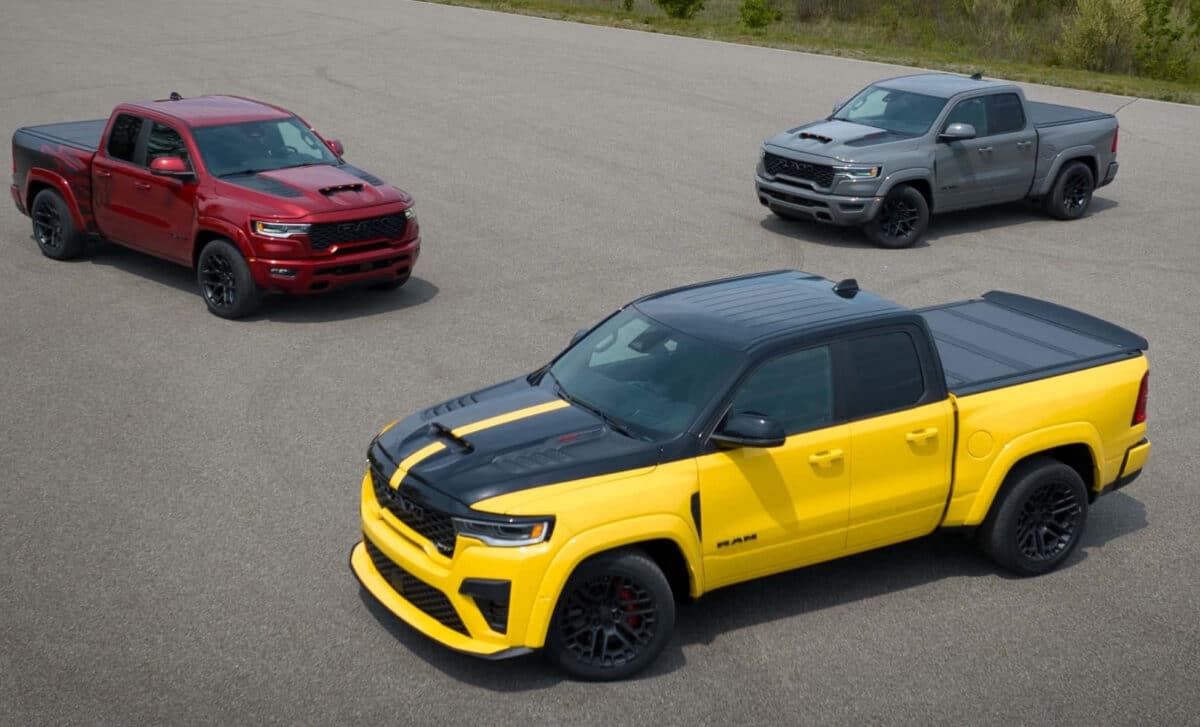
While Filosa did not provide detailed data supporting the claim that 40 percent of truck shoppers require a V8 option, sales figures show that V8 engines continue to account for a substantial portion of the market.
Approximately 25 percent of Ford F-150 sales are equipped with V8 engines. Chevrolet’s Silverado records an even higher share, with around 50 percent of sales powered by V8s.
The differing numbers reflect contrasting approaches among manufacturers. Ford has invested heavily in six-cylinder EcoBoost engines and offers several versions across its lineup. General Motors, by comparison, has continued to center much of its truck strategy around V8 powertrains.
Buyers Continue to Value Having the Choice
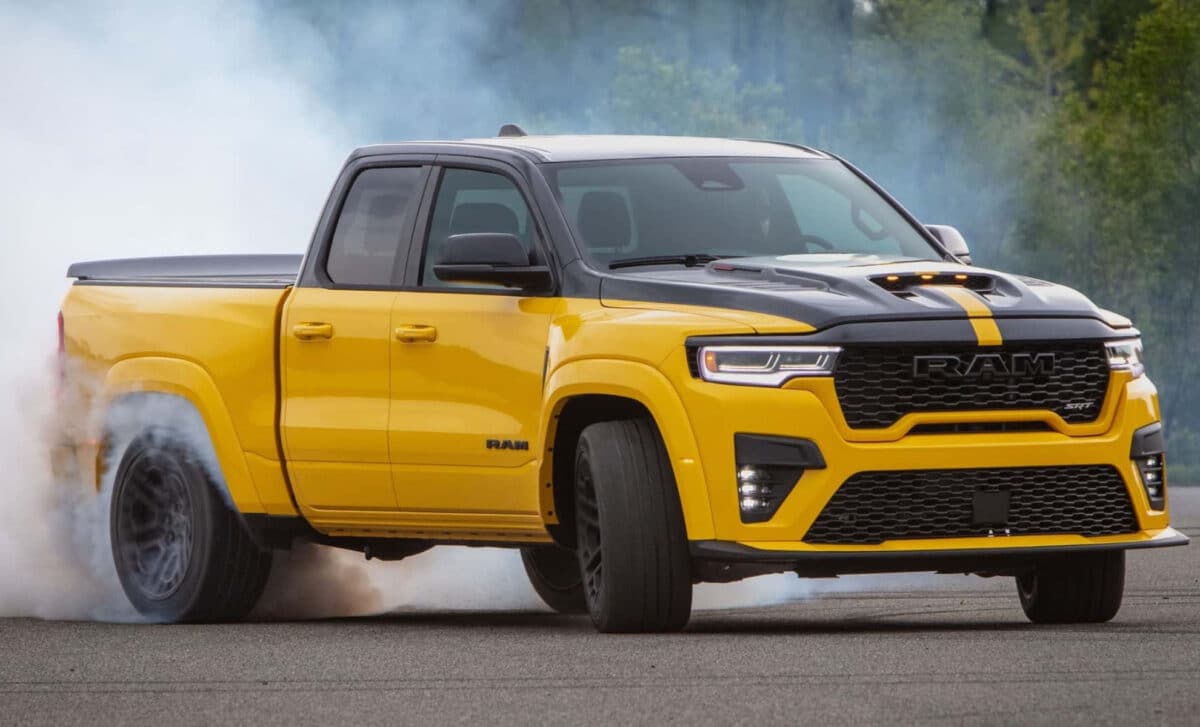
The three major truck brands currently offer customers a choice between V8 and six-cylinder engines. The report notes that many pickup buyers place importance on simplicity and longevity, factors that contribute to continued interest in traditional V8 designs.
Pickup trucks are expected to be highly dependable, particularly among buyers who use them as work vehicles. While turbocharged six-cylinder engines may offer objective advantages in power and efficiency, some customers still prefer the availability of a V8.
A significant number of buyers remain concerned about long-term durability, pointing to attention surrounding Toyota’s V6 engine recall saga. The publication states that many consumers view large V8 engines as simple and proven, while smaller turbocharged engines are generally more complex by nature.
For Ram, that customer preference appears strong enough to have influenced a notable shift in strategy, bringing the Hemi V8 back into the conversation despite the industry’s broader move toward alternative powertrains.