
It’s not every day that a U.S. administration tries to persuade one of Germany’s most emblematic carmakers to switch national identity. Yet that’s exactly what happened, quietly, about a year ago.
At the time, nothing leaked. No big announcement, no dramatic headlines. But this week, Mercedes-Benz CEO Ola Källenius confirmed it: the Trump administration, via its Commerce Secretary Howard Lutnick, made a direct push to convince the company to relocate its global headquarters from Stuttgart to the United States.
Pressure, Incentives, and a Very Firm No
The offer came with all the expected carrots. Tax breaks. Regulatory flexibility. Strategic proximity to the U.S. market. All aimed at making the move appealing, or at least worth discussing.
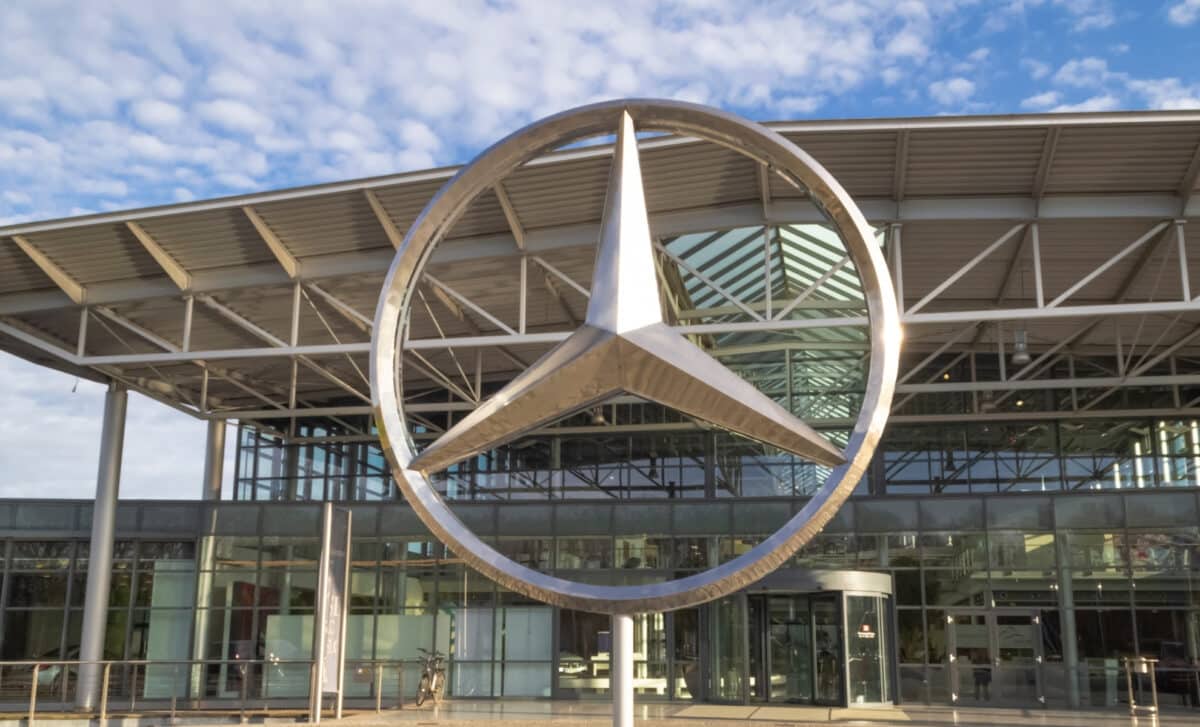
But Mercedes didn’t hesitate. “The three-pointed star has been a global company for more than 100 years,” said Källenius in an interview with The Pioneer, “but we are rooted in Swabia. Those roots cannot, and should not, be pulled out of the ground.”
The answer was definitive: no deal. No headquarters transfer. No symbolic switch. While the company remains heavily invested in U.S. operations, its strategic heart would stay where it’s always been, in Germany.
Not Just About Cars, but Identity
The request came in the broader context of U.S. trade and industrial policy, which has increasingly aimed to localize manufacturing and bring value chains back onto American soil. Under both of Donald Trump’s terms, foreign automakers have been subject to pressure, particularly through tariff threats and financial incentives.
This wasn’t just about cars rolling off an American assembly line. The move would have meant shifting decision-making, corporate governance, and brand identity, elements that, in Mercedes’ case, are deeply tied to its heritage in Baden-Württemberg.
The offer was made early in Trump’s second term, as reported by Carscoops. If successful, it would have marked a rare instance of a foreign industrial flagship changing national headquarters due to political lobbying.
The U.S. Remains Key but Not Home
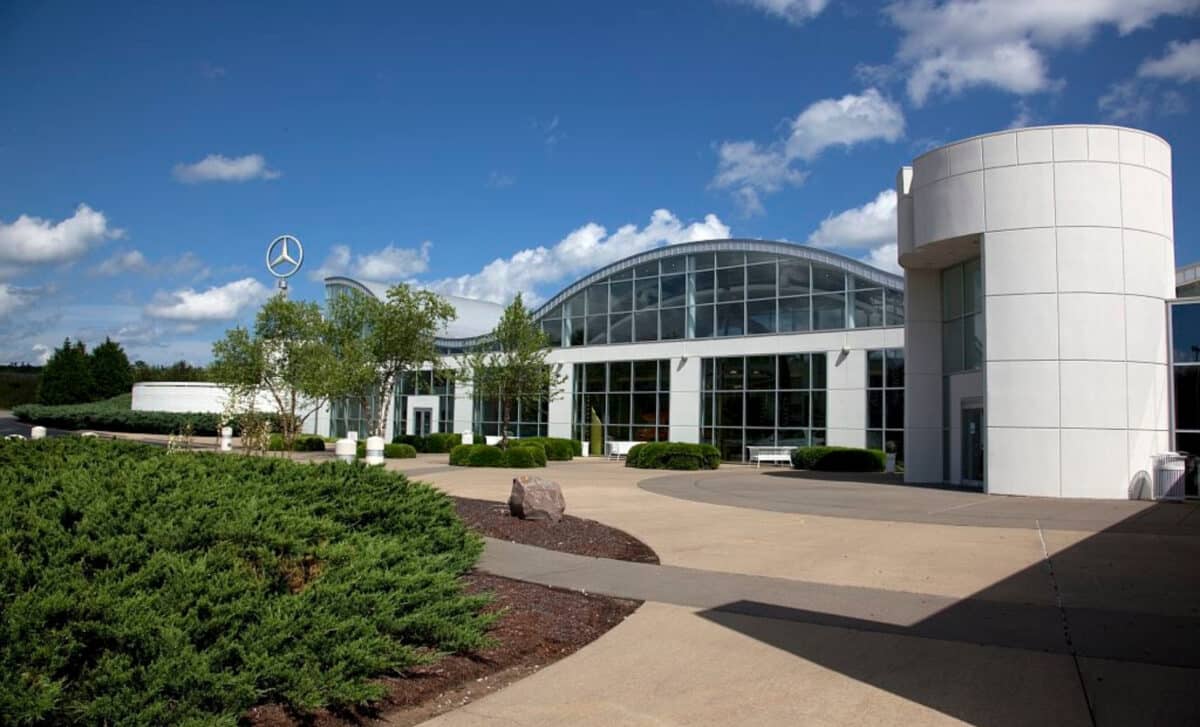
Despite the refusal, Mercedes remains closely linked to the U.S. market. The brand has had a plant in Tuscaloosa, Alabama since 1997, where it builds SUVs including the GLE, GLS, and electric models like the EQS SUV. Production of the next-generation GLC is set to begin there in 2027.
More recently, Mercedes announced a new R&D center in Georgia, part of a multimillion-dollar investment in American operations. These moves show a clear strategy: deepen engagement with the U.S. market, without shifting the company’s global core.
In a way, it’s a textbook example of how global corporations walk the line between local adaptation and global integration. Production can be flexible. Branding, less so.
Beyond Corporate Strategy, a Matter of Principle
At its core, this episode isn’t just about industrial planning. It touches on the limits of what money, or incentives, can buy. Mercedes’ refusal wasn’t economic. It was philosophical.
Unlike tech startups or financial entities, automakers like Mercedes carry a century-old industrial culture. Their “headquarters” aren’t just buildings with executive offices. They’re symbolic hubs of engineering, values, and legacy. That’s not something you move in exchange for a tax deal.
Still, the Trump administration’s move isn’t surprising. In the context of reshoring policies, there’s a logic to wanting iconic brands under American corporate flags. But it also shows that national identity in business still holds weight, especially in Europe, where it’s woven deeply into industrial DNA.