

The authorization was issued after Volvo completed a review process with the U.S. Department of Commerce. For the Swedish automaker, which is owned by China’s Geely, the approval ensures that its connected vehicles can remain on sale in one of its key markets despite the tightening regulatory framework.
The move comes as Washington implements new restrictions on connected vehicle technologies that officials say could pose national security risks. The rules focus on software and hardware linked to vehicle connectivity and certain automated driving functions, reflecting concerns over potential access to data and vehicle systems by foreign governments.
Volvo Obtains a Specific Exemption from U.S. Regulators
Volvo confirmed that it received a specific authorization permitting the continued import and sale of connected vehicles containing Chinese hardware and software in the United States.
According to InsideEVs, the company was required to follow a formal process with the U.S. Department of Commerce before receiving approval. The authorization was granted by the Office of Information and Communications Technology and Services.
In a statement, Volvo said: “With this specific authorization, Volvo Cars can continue its growth plans in the U.S.”
The decision gives Volvo an exemption from restrictions that would otherwise affect vehicles incorporating certain Chinese technologies covered by the Commerce Department’s rule.
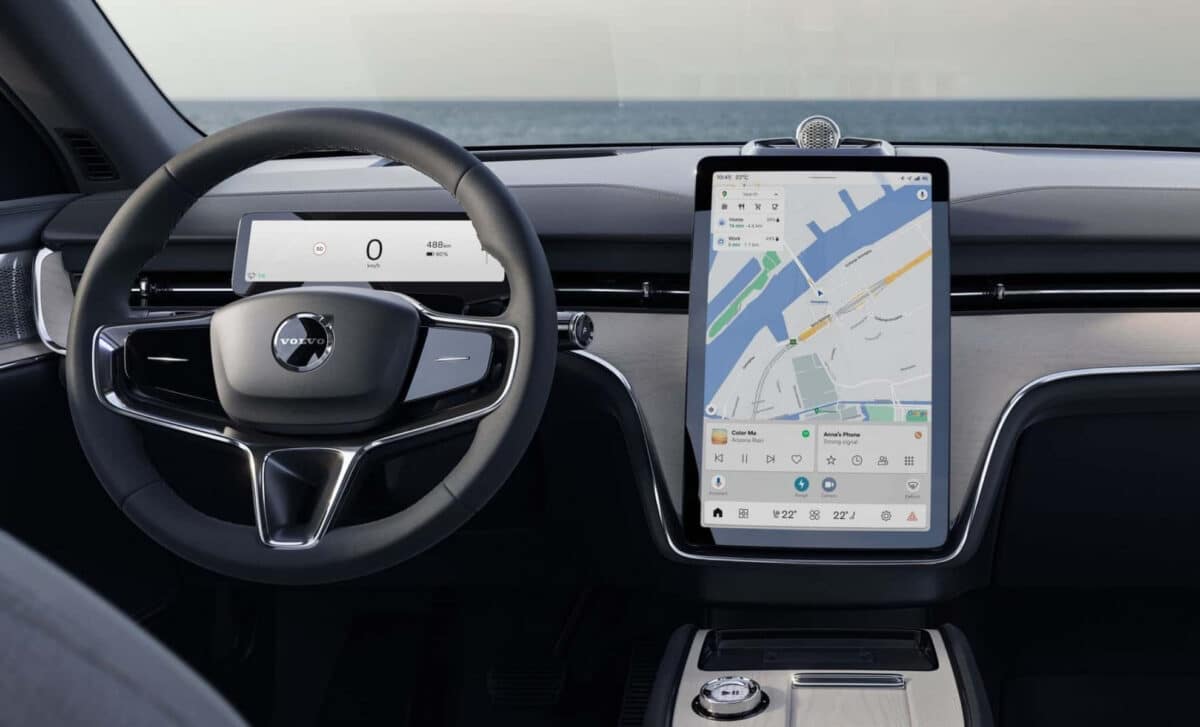
New U.sS. Rules Target Connected Vehicle Software and Hardware
The Department of Commerce regulations entered into effect on March 17, 2025. The rules restrict the import and sale of connected vehicles using software from China and Russia beginning with the 2027 model year. Restrictions on hardware from those countries will apply starting with the 2030 model year.
U.S. authorities said the measures address concerns surrounding equipment that could be “easily exploitable” by foreign governments. The risks cited include the theft of data and the possibility of remotely controlling vehicle fleets.
The rule covers hardware and software “designed, developed, manufactured, or supplied by persons owned by, controlled by, or subject to the jurisdiction or direction of” China. It also prohibits the importation of completed connected vehicles that incorporate covered software.
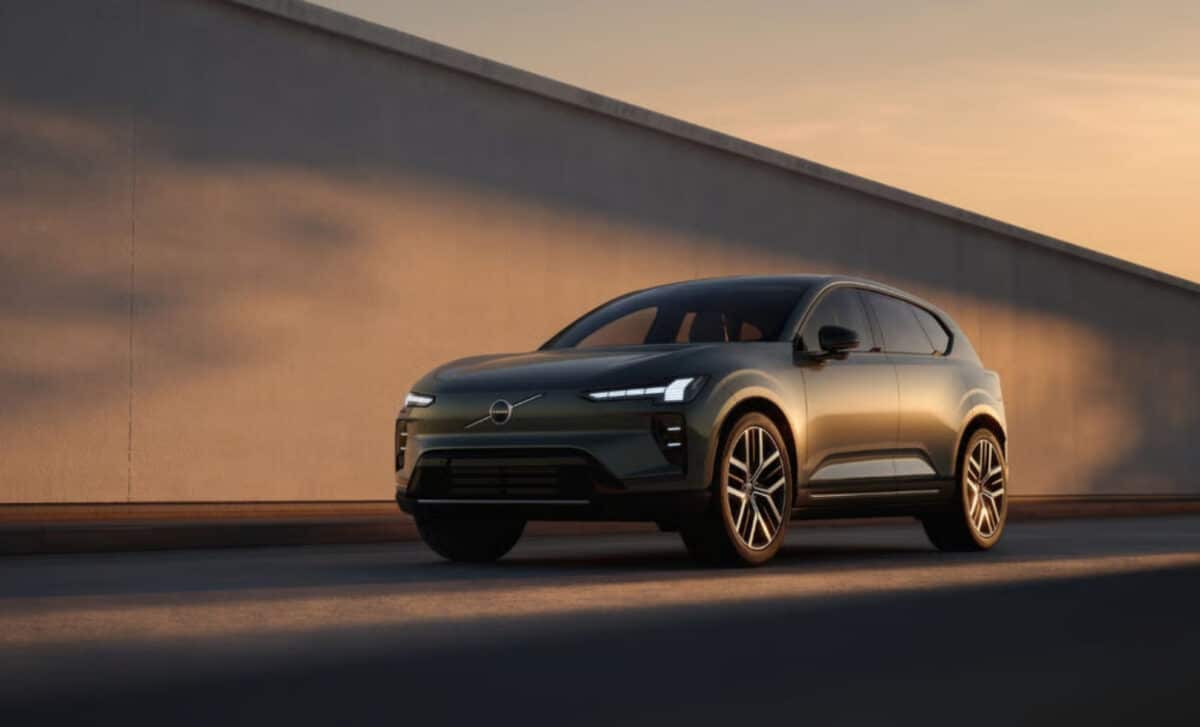
Which Vehicles and Technologies Fall Under the Restrictions
The regulations do not apply to all connected vehicle systems. The restrictions specifically target software that enables automated driving functions, while excluding more basic driver-assistance features. They also apply to vehicle connectivity technologies that rely on satellite, cellular and Wi-Fi networks.
Under the rule, manufacturers cannot import vehicles containing covered Chinese hardware or software regardless of where the vehicles were assembled. The regulations also prohibit manufacturers tied to the Chinese government from selling completed connected vehicles in the United States, even when the relevant software or components were produced outside China.
Volvo’s situation is notable because some of its vehicles are produced in China. The XC60 crossover, the brand’s best-selling model, and the smaller XC40 are assembled there. The company also maintains a design facility in Shanghai. Following the authorization granted by the Office of Information and Communications Technology and Services, Volvo will be permitted to continue importing and selling its connected vehicles in the U.S. market.