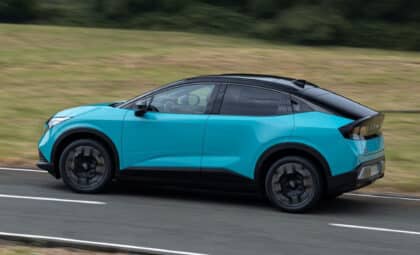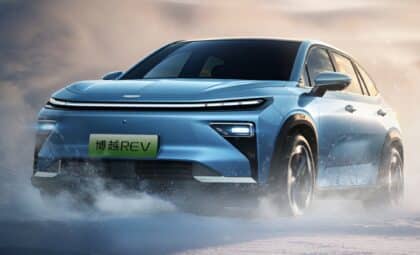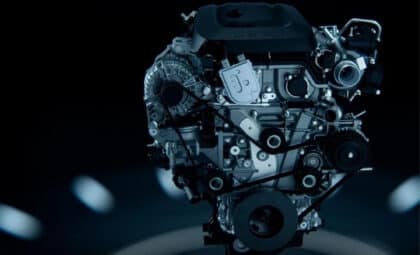

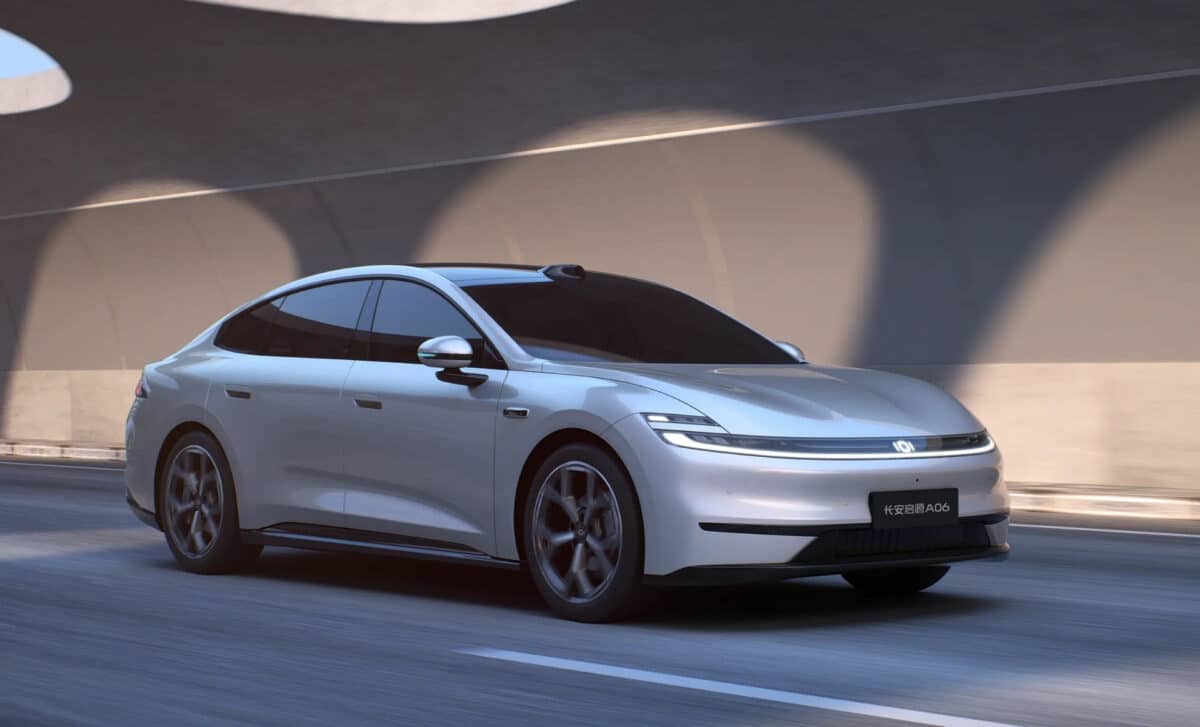
Sodium-ion batteries, which have been under development for several years, have recently moved from research to mass production, and they’re now being integrated into a real-world vehicle.
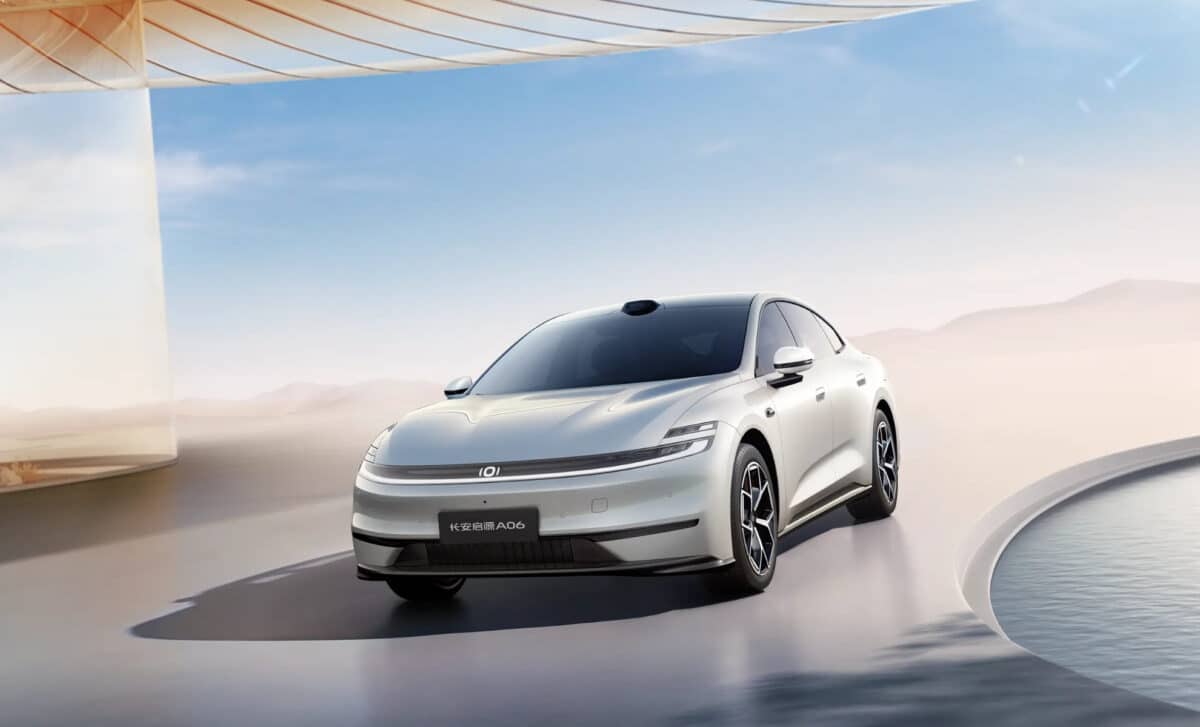
Developed by the Chinese battery giant CATL, the sodium-ion technology in the Nevo A06 has passed its winter testing phase, with performance that challenges the limits of traditional lithium batteries. Notably, the sodium-ion batteries performed well under harsh conditions, providing consistent power and showing no significant range loss, a frequent issue for lithium-ion batteries in similar weather.
Exceptional Cold-Weather Performance
A standout feature of sodium-ion batteries is their impressive performance in extreme cold, an area where lithium-ion batteries often struggle. According to reports, the Nevo A06’s sodium-ion battery underwent extensive testing in Inner Mongolia, where temperatures regularly dip below -30°C (-22°F).
Remarkably, the sodium-ion battery continued to charge without issue at -30°C and maintained more than 90% of its original capacity at temperatures as low as -40°C. This kind of performance is a significant advantage over traditional lithium-ion batteries, which typically suffer from range loss and reduced power in freezing conditions.
For EV drivers in colder climates, this breakthrough could help alleviate one of the main concerns about owning an electric vehicle, cold weather performance. With the ability to maintain a strong charge in sub-zero temperatures, sodium-ion batteries could provide more reliable power for vehicles in regions where winters are harsh, offering drivers peace of mind during colder months.
A More Sustainable and Affordable Alternative
Sodium-ion batteries also have a notable environmental edge over their lithium counterparts. Lithium is a finite resource, primarily sourced from a few countries, leading to concerns about supply chain disruptions and environmental impact.
Sodium, on the other hand, is far more abundant and can be found in many regions around the world. This makes sodium-ion batteries a more sustainable option, with the potential to reduce the environmental footprint of EV production.
Additionally, sodium-ion batteries are expected to be cheaper to produce than lithium-ion batteries. The raw materials needed for sodium-ion battery production are less expensive and more readily available, which could result in lower manufacturing costs for electric vehicles. This, in turn, could make EVs more affordable, especially for entry-level models. The lower cost of production also makes sodium-ion batteries an attractive option for automakers looking to offer more budget-friendly electric vehicles without sacrificing performance.
The Road Ahead: Competing with Lithium-Ion Technology
While sodium-ion batteries offer several advantages, lithium-ion technology remains the dominant choice in the EV market, especially in terms of energy density and fast-charging capabilities. CATL is also developing advanced lithium-ion batteries, such as its 5C pack, which can retain 80% of its capacity after 3,000 charge cycles and can be charged from 0% to 100% in just 12 minutes. These advancements give lithium-ion batteries an edge in certain areas, particularly for long-range vehicles that require fast charging and greater overall capacity.
However, the introduction of sodium-ion batteries into mass production marks a significant step forward for the electric vehicle industry. As both technologies continue to improve, there is potential for a more diversified approach, with automakers selecting the most appropriate battery technology for different use cases. Sodium-ion batteries, with their superior cold-weather performance and lower production costs, could be a key player in this evolving landscape, offering an alternative that caters to specific consumer needs.