

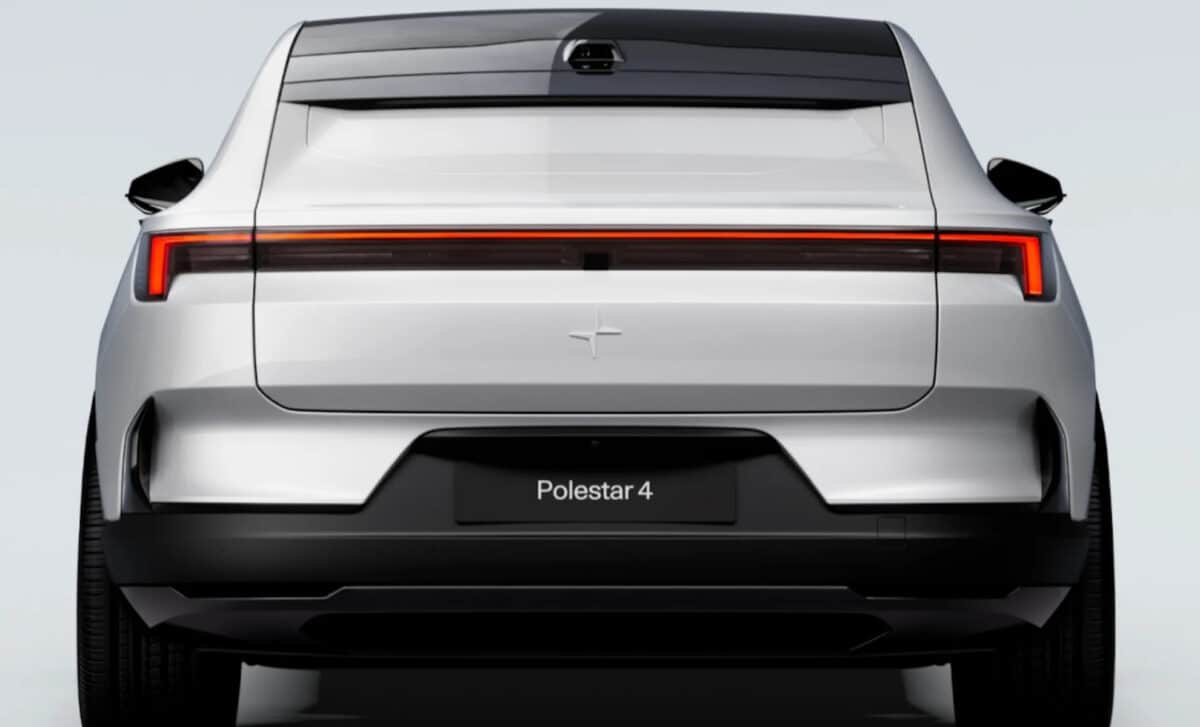
What once seemed unthinkable, designing a car without a rear window, is quickly becoming viable. Improvements in rearview camera systems and digital mirrors are enabling manufacturers to reconsider one of the oldest constants in automotive design. For over a century, the rear window has served as both a visual and structural feature. Now, it’s on the verge of becoming obsolete.
The reasons behind this shift are more technical than aesthetic. Without the need to incorporate rear glass, designers can stretch rooflines, improve aerodynamics, and gain more flexibility in shaping a vehicle’s rear section. The change is not limited to futuristic concepts, it’s already appearing in production vehicles, signaling a clear move toward a new standard in visibility and design.
Polestar 4 Eliminates the Rear Window Entirely
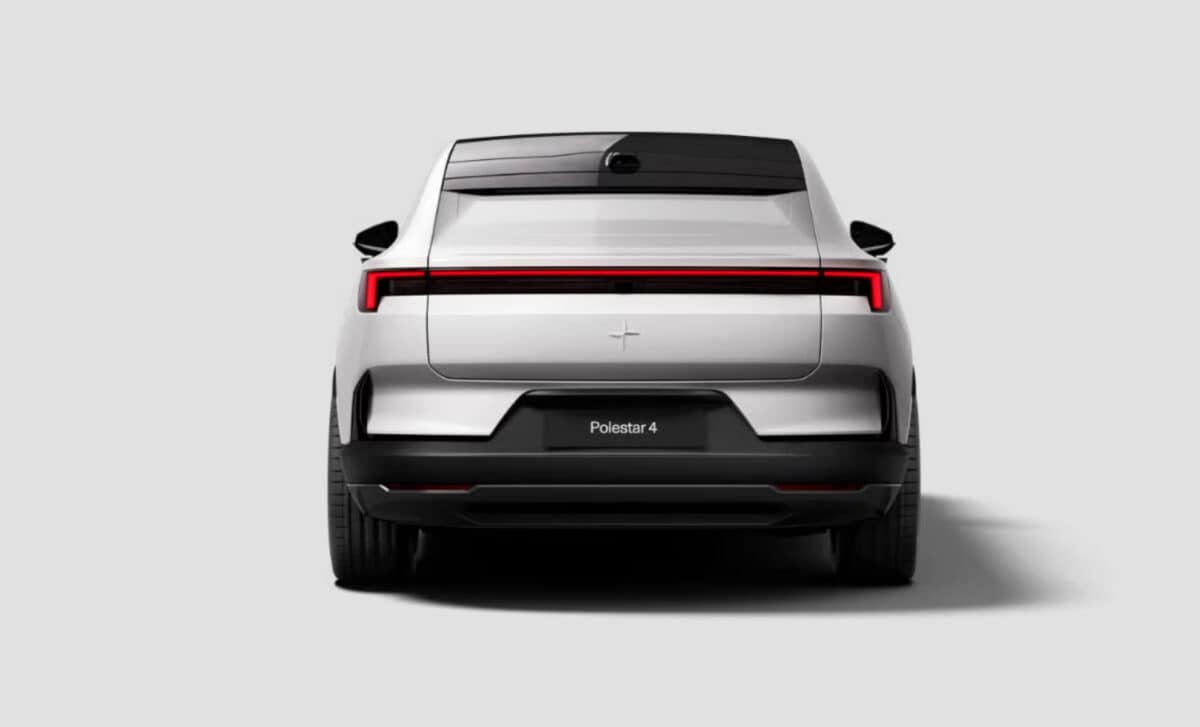
The Polestar 4 is the first production car to fully eliminate the rear window. The rear section is completely solid, no glass, no hidden opening. In its place, a roof-mounted HD wide-angle camera provides a live feed to a digital rearview mirror, giving drivers an uninterrupted view behind the car.
This decision allows for several practical advantages. The extended fastback roofline boosts aerodynamics and offers increased headroom for rear passengers. The car also features horizontal blade-style taillights that serve as visual cues for the vehicle’s width, while an integrated spoiler manages airflow without needing to accommodate glass.
The move isn’t about provocation, it’s a logical step enabled by technology. With the camera free from common visual obstructions like headrests, rain, or vehicle structure, the resulting visibility is often clearer than what traditional mirrors offer.
Jaguar and Audi Push the Design Boundaries014
Jaguar’s Type 00 concept, introduced in 2024, takes the rear-window-free idea in a bold direction. The rear is fully enclosed, with no transparent surface at all. Instead, it features horizontal design elements integrated into the lower tail section. This choice is less about function and more about visual identity, presenting a seamless surface from roof to rear.
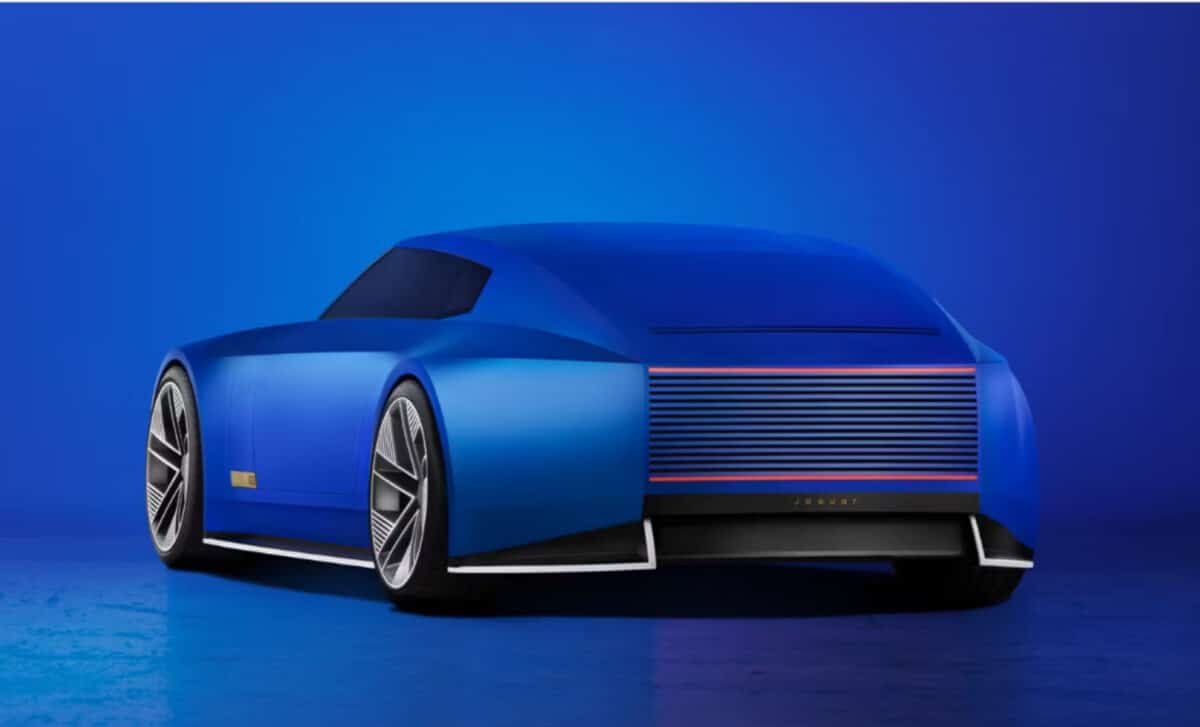
Cameras again take on all visibility duties, as in the Polestar 4. The Type 00 highlights what designers can achieve when released from the traditional requirement for a rear window. Whether these concepts will translate into future production models remains uncertain, but the visual possibilities are clear.
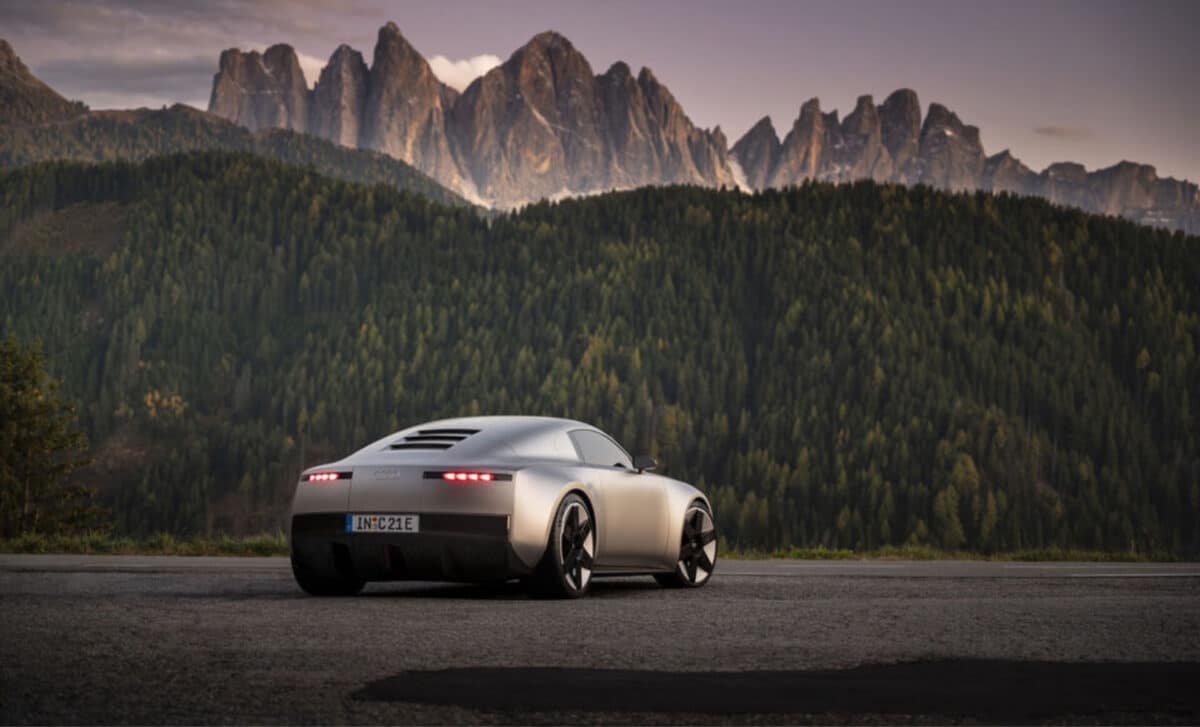
Audi’s Concept C, by contrast, takes a hybrid approach. The rear section forgoes large glass surfaces in favor of three narrow horizontal slots, contributing to a more aerodynamic profile. These openings are not functional windows—the vehicle relies on cameras for rear visibility. This aligns with Audi’s long-standing emphasis on aerodynamic performance and streamlined design.
Ferrari Favors Performance Over Transparency
Even performance-focused manufacturers like Ferrari are adopting this philosophy. The 812 Competizione removes the rear glass entirely, replacing it with a solid aluminum panel embedded with vortex generators. These elements manage airflow and increase downforce, prioritizing performance over traditional visibility.
Ferrari’s one-off models such as the SP38 and SP48 Unica also eliminate the rear window, replacing it with sculpted rear ends shaped entirely by aerodynamic requirements. While the newer 12Cilindri technically retains a piece of rear glass, it is visually minimized and almost fully integrated into the surrounding design, used more as a stylistic detail than a functional window.
This shift away from glass is driven by the maturity of two technologies: external HD cameras and high-resolution interior displays. With visual clarity no longer dependent on a physical pane, designers are rethinking the rear of the car. Fewer structural constraints, improved airflow, and greater design freedom are the results.