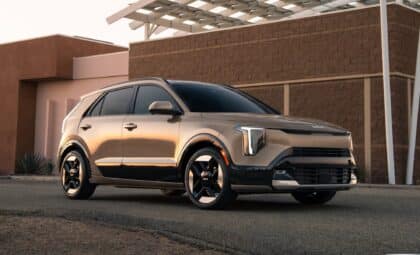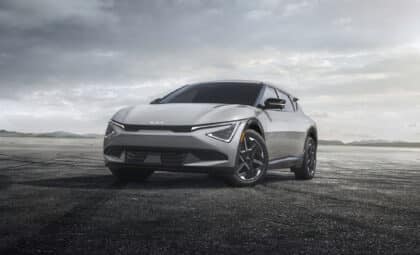
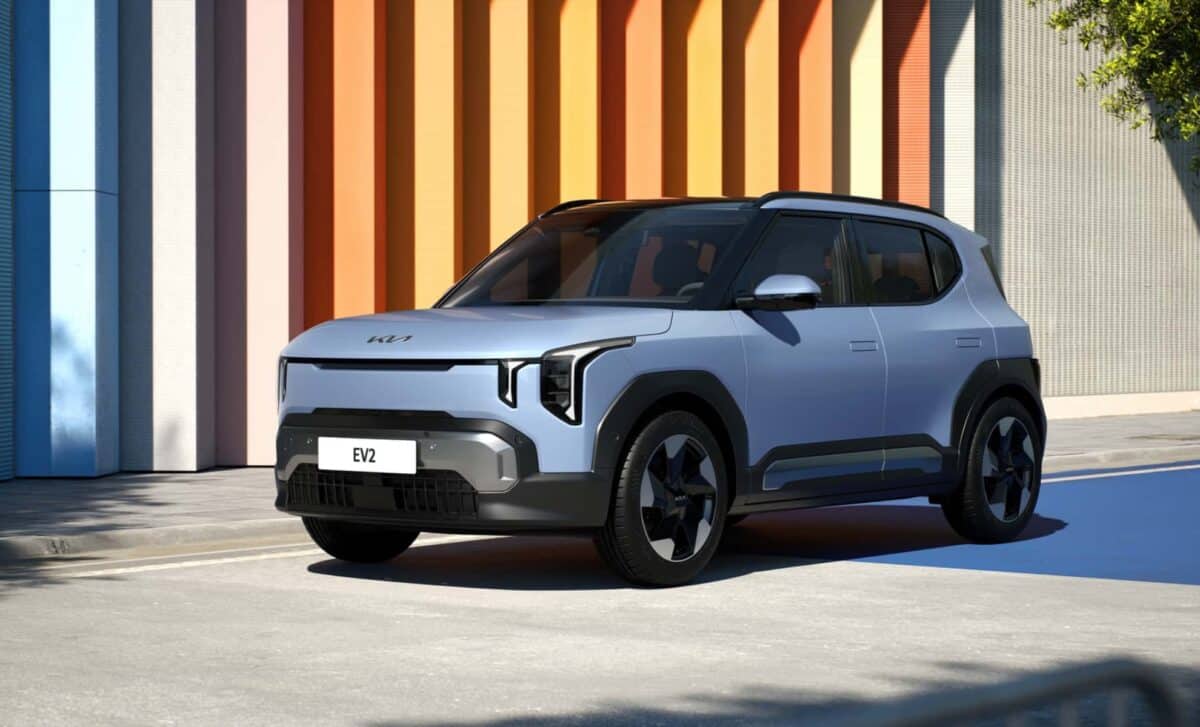
The model enters a European market already rich with compact, lower-cost electric vehicles, a contrast to the limited and shrinking affordable EV segment in the United States. This disparity reflects broader differences in consumer expectations, infrastructure, and vehicle preferences.
In the U.S., the shift toward larger, more expensive vehicles has left fewer options for buyers seeking smaller, budget-friendly electric cars. The EV2’s absence illustrates how market dynamics continue to shape availability on both sides of the Atlantic.
A $30,000 EV… Just Not for the U.S. Market
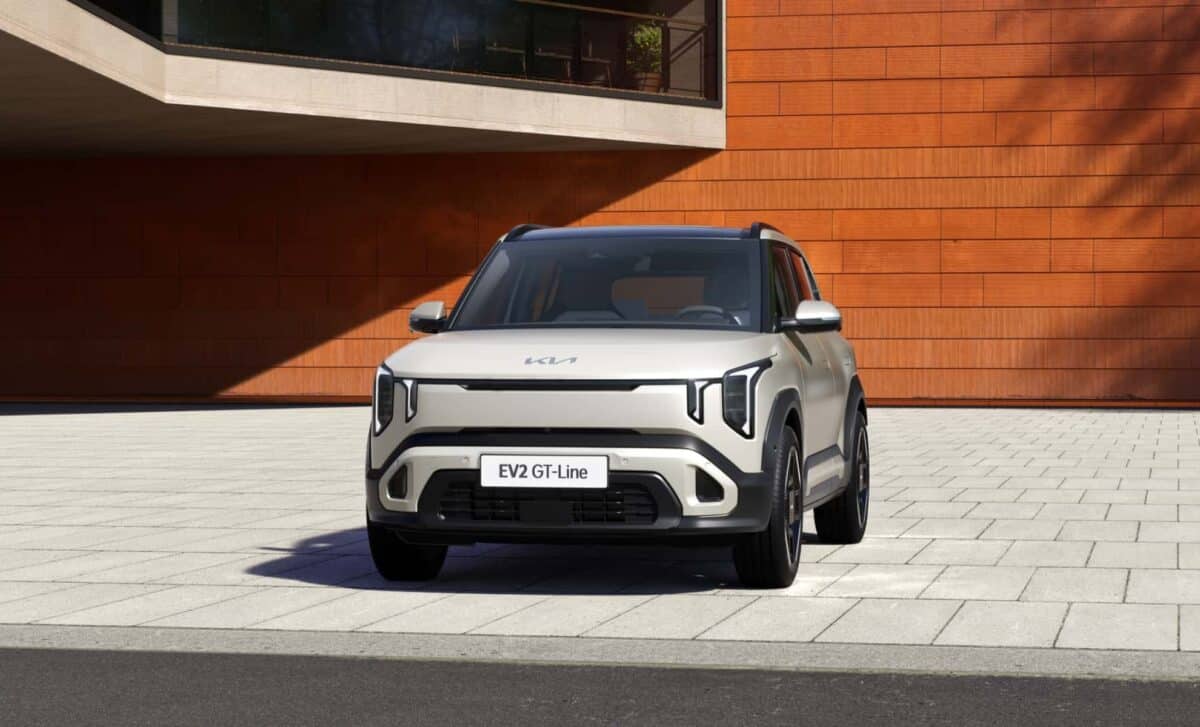
The Kia EV2 is priced from €26,600 in Europe, which converts to about $30,800 at current exchange rates. According to Automotive News, that pricing would position the EV2 as the third-cheapest electric vehicle in the United States, behind the Chevrolet Bolt and the Nissan Leaf.
Despite that competitive pricing, the EV2 is not planned for the American market. Its absence comes at a time when affordable EV options in the U.S. remain limited, especially as models like the Chevy Bolt face uncertainty and the Leaf continues to sell in relatively low volumes.
The situation highlights a broader issue: while affordable EVs exist globally, they are not evenly distributed across markets.
Europe’s Crowded Segment of Compact Electric Cars
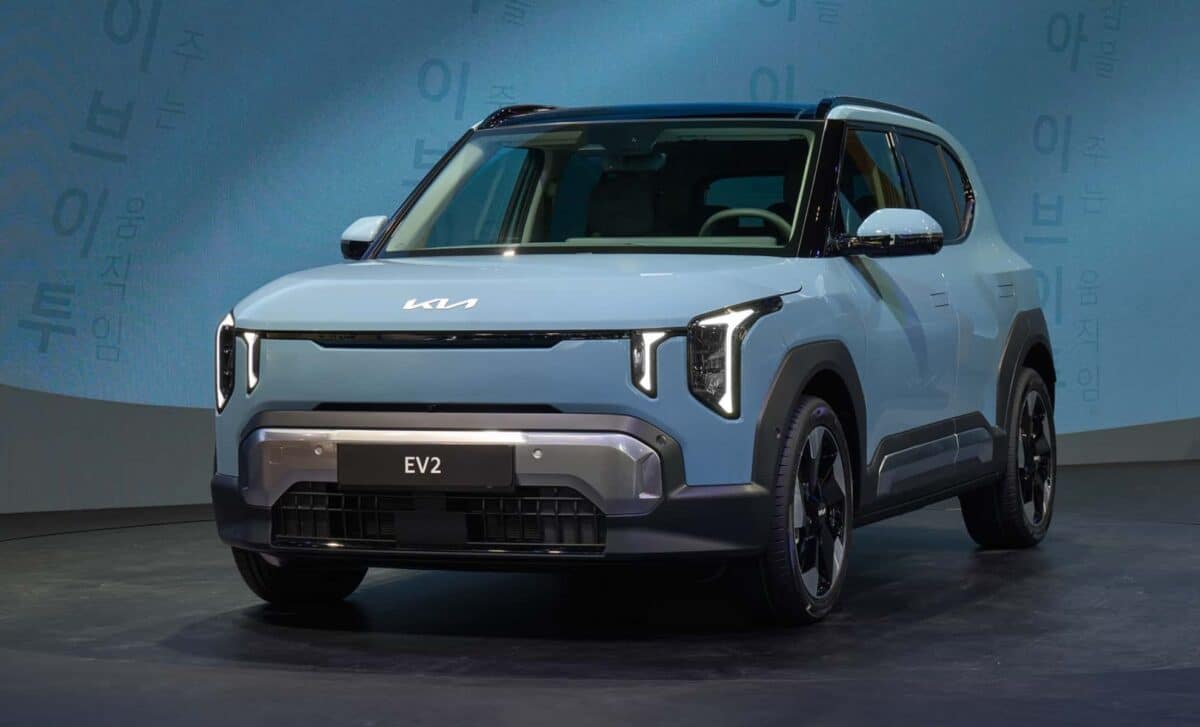
In Europe, the EV2 will compete in a well-established segment filled with small, lower-cost electric vehicles. According to InsideEVs, this includes models such as the Dacia Spring, the reborn Renault Twingo, and the Volkswagen ID.3, alongside Chinese entries like the BYD Dolphin Surf (also known as the Seagull) and designs such as the Fiat Grande Panda Electric.
These vehicles generally prioritize affordability over maximum range or high-end features. The Kia EV2, for instance, offers 197 miles of range on the WLTP cycle. That would likely translate to around 150 miles under the EPA standard used in the United States.
Such specifications place the EV2 firmly within the category of practical, urban-focused electric vehicles rather than long-distance, all-purpose cars.
Range Expectations Divide Global Buyers
The limited range of vehicles like the EV2 reflects a key difference in consumer expectations. Many American buyers expect electric vehicles to deliver long range, all-wheel drive, and extensive features in a single package. This expectation often leads to the rejection of smaller EVs that do not meet those criteria.
At the same time, most daily driving needs could be met with vehicles offering around 150 miles of range. Still, concerns about longer trips, and the potential need for a second vehicle or rental, affect purchasing decisions.
Earlier small EVs such as the Fiat 500e, Volkswagen e-Golf, and BMW i3 developed loyal followings among owners, even if they struggled commercially in the U.S. market. Their reception underscores a disconnect between satisfaction among users and broader market demand.