
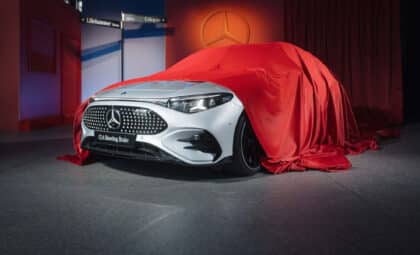
Mercedes Admits “Nobody Is Buying Wagons” as Electric C-Class Estate Faces Uncertain Future
Mercedes questions the future of wagons as global demand declines, casting doubt on an electric C-Class Estate despite its long-standing legacy.
Mercedes questions the future of wagons as global demand declines, casting doubt on an electric C-Class Estate despite its long-standing legacy.
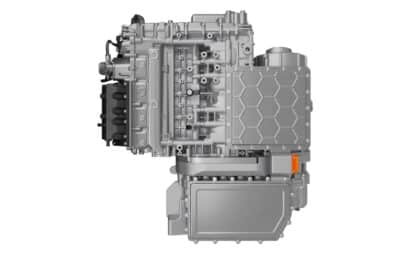
Horse Powertrain unveils a compact system combining engine and motors to convert EVs into hybrids with minimal redesign and lower costs for automakers
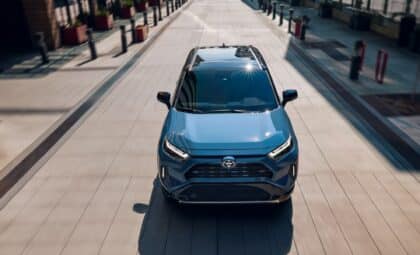
Toyota has no plans for a fully electric RAV4, focusing instead on hybrid models and expanding its dedicated EV lineup like the bZ series and C-HR EV.
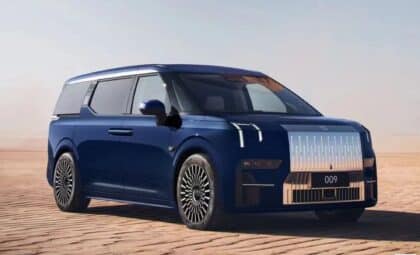
While Mercedes-Benz is preparing to launch its new luxury electric minivan in the United States, the real innovation in this segment has already emerged from Asia.
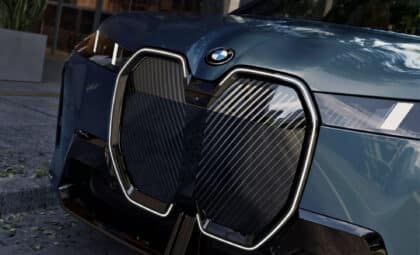
BMW ends iX sales in the U.S. as it shifts to next-gen EVs, with the iX3 set to lead a new era of technology, efficiency, and electric performance.
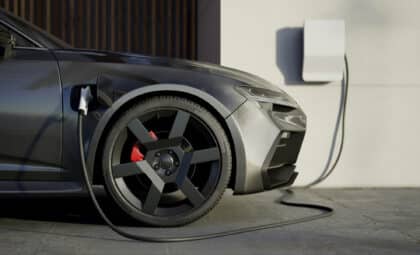
Electric vehicles take the lead over gasoline cars in Germany, boosted by subsidies and higher fuel costs, marking a shift in Europe’s largest auto market.
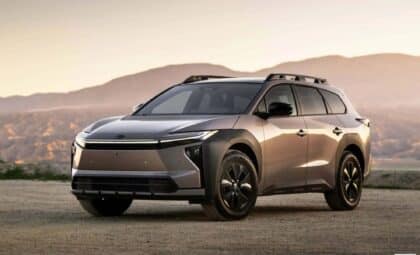
Toyota is accelerating its electric vehicle strategy in the United States, with plans to introduce seven fully electric models by 2027. The shift comes as the bZ electric crossover has, for the first time, outsold the long-dominant Prius in quarterly sales.

U.S. safety officials weigh banning Chinese airbag inflators after fatal failures linked to replacement parts suspected of being substandard or illegally imported.
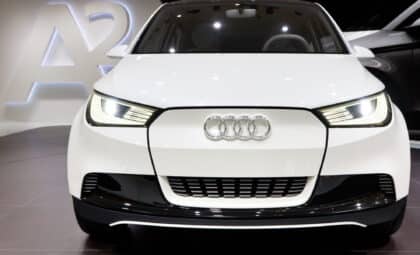
Audi will revive the A2 as the electric A2 E-Tron, a compact EV set to debut this fall with familiar design cues and Volkswagen-based technology.
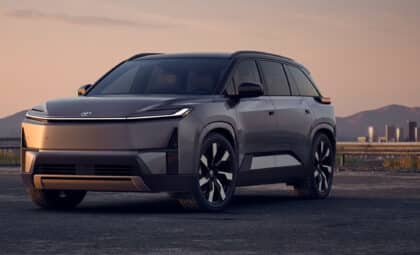
Lexus is expected to launch a three-row electric SUV based on Toyota’s Highlander BEV, expanding its lineup with a new US-built premium EV offering.
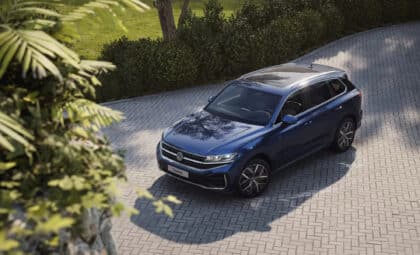
After months of uncertainty, Volkswagen has confirmed that the Touareg still holds a place in its lineup, even as the brand adapts to evolving regulations and market conditions.
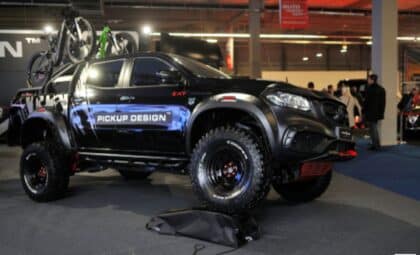
A noticeable shift is reshaping the U.S. auto market, where demand is moving back toward larger, gas-powered vehicles. Recent sales figures and industry commentary reveal a growing gap between electric vehicle ambitions and actual consumer behavior.
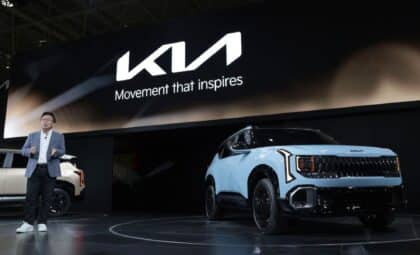
At the New York Auto Show on April 1, major automakers unveiled new electric vehicles (EVs), despite a slowdown in the U.S. market following the expiration of the $7,500 tax credit. While sales have dipped, rising fuel prices are sparking renewed interest in electric cars, offering hope for a gradual recovery.

Subaru has officially taken the wraps off its fourth electric vehicle, and it’s the brand’s most ambitious EV yet.
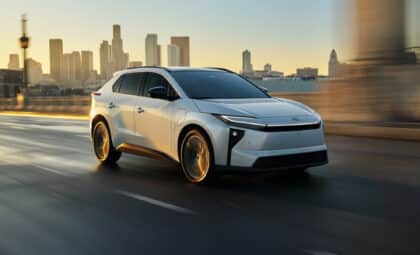
Heavy discounts, a redesigned model, and decades of brand trust have pushed Toyota to the top of America’s non-Tesla EV rankings in early 2026.

© 2025 | Thenewswheel.com | All rights reserved
Content under CC BY-SA 4.0 license (attribution required)