Volvo

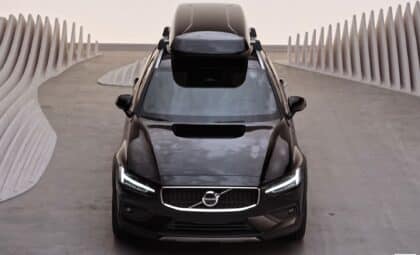
The U.S. Still Doesn’t Get Wagons, But Volvo Might Change That 

Volvo’s decision to end production of its V60 Cross Country wagon in the U.S. has left American consumers with fewer options for this beloved body style. While wagons continue to thrive in Europe and gain popularity in China, the U.S. market remains heavily oriented toward SUVs, a shift that poses challenges for traditional wagon lovers. As the future of wagons in America hangs in the balance, Volvo remains cautious but open to possibilities.

tesla

Tesla Drops a Bombshell with $31,000 Model 3 in Canada, but U.S. Buyers Are Left Behind

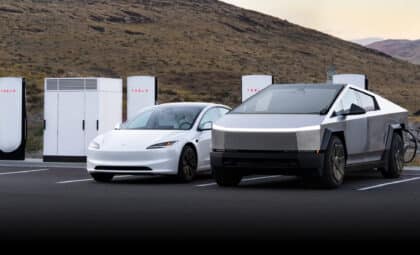
Tesla has introduced its most affordable Model 3 yet, but only for Canadian buyers. A new Shanghai-built version of the electric sedan is available for approximately $31,000 CAD in Canada, making it a significant deal compared to the U.S. market. However, American customers won’t have access to this price, as the car is exclusively available north of the border.

Gas

The Iconic Macan Gas Model Gets the Ax, but Porsche Plans to Stay Ahead

Porsche is set to discontinue the gas-powered Macan, one of its most popular models, this summer. The decision marks the end of an era for the compact SUV, which has been a cornerstone of the brand’s lineup since its debut in 2013. Instead, the electric Macan, introduced in 2024, will continue in its place until Porsche introduces a new model in 2028.

Car

The Hybrid Car Market Is Booming, And This Feature Could Slash Your Fuel Costs By 50% 

Hybrid cars have evolved from eco-friendly oddities into a mainstream vehicle choice for consumers seeking better fuel efficiency and lower emissions. With their unique combination of a gasoline engine and an electric motor, hybrids offer a glimpse into the future of driving—one that reduces reliance on fossil fuels without forcing a complete shift to fully electric cars. But how exactly do hybrids work, and why are they gaining popularity?